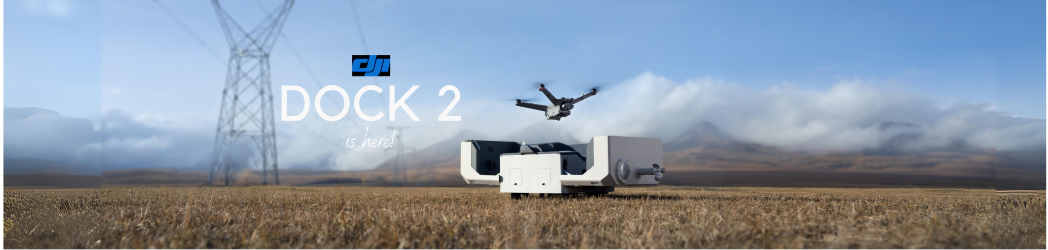
In the fast-changing realm of unmanned aerial vehicles (UAVs), DJI has been leading the way, continuously innovating drone technology. Here’s what we have learned about the upcoming launch of the Dock 2 in the North American market.
One noticeable enhancement is the significant weight reduction of 68% and size reduction of 75% in Dock 2 in comparison to Dock 1. Weighing just 34kg (75 lbs.), Dock 2 can be easily transported by a team of two.
Like its predecessor, Dock 2 maintains an IP55 rating, ensuring durability against harsh weather conditions, dust, and water. In the event of unfavorable weather during a flight mission, Dock 2 can quickly abort the mission, reducing potential flight risks. With dual RTK antennas, Dock 2 guarantees accurate positioning for a returning aircraft, reducing dependence on its own RTK system.
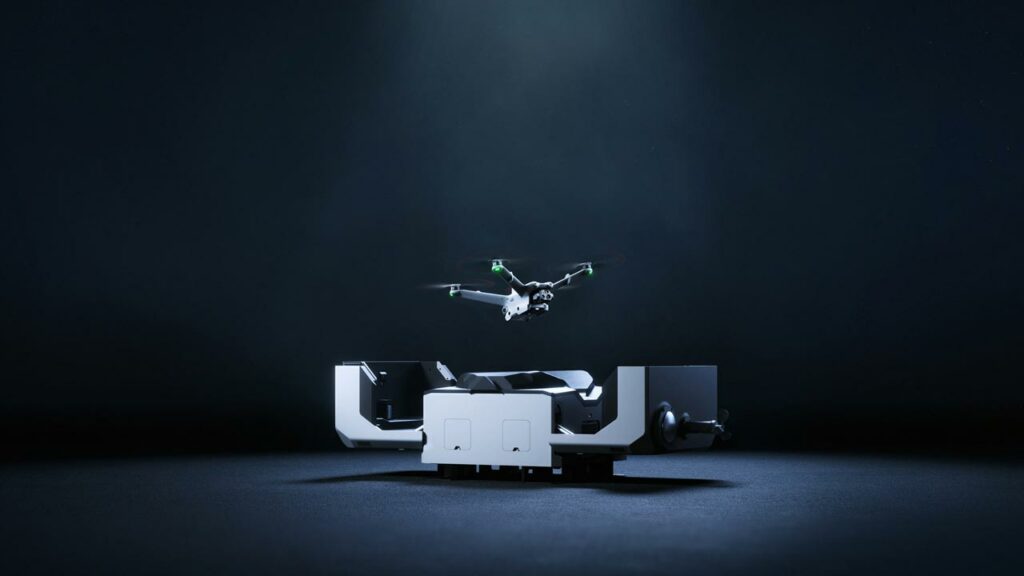
Advantages of the Dock 2:
- Easier and quicker setup thanks to its reduced size and weight
- Extended flight range achieved through an enhanced transmission system and increased flight time
- Inclusion of Photogrammetry Mapping feature in the mechanical shutter version (M3D)
PRICING
A single DJI Dock 2 System will require:
- DJI DOCK 2
- DJI Matrice 3D Series Aircraft (Thermal or Non-Thermal)
- DJI Matrice 3D Intelligent Flight Battery
- DJI RC Pro Enterprise Controller
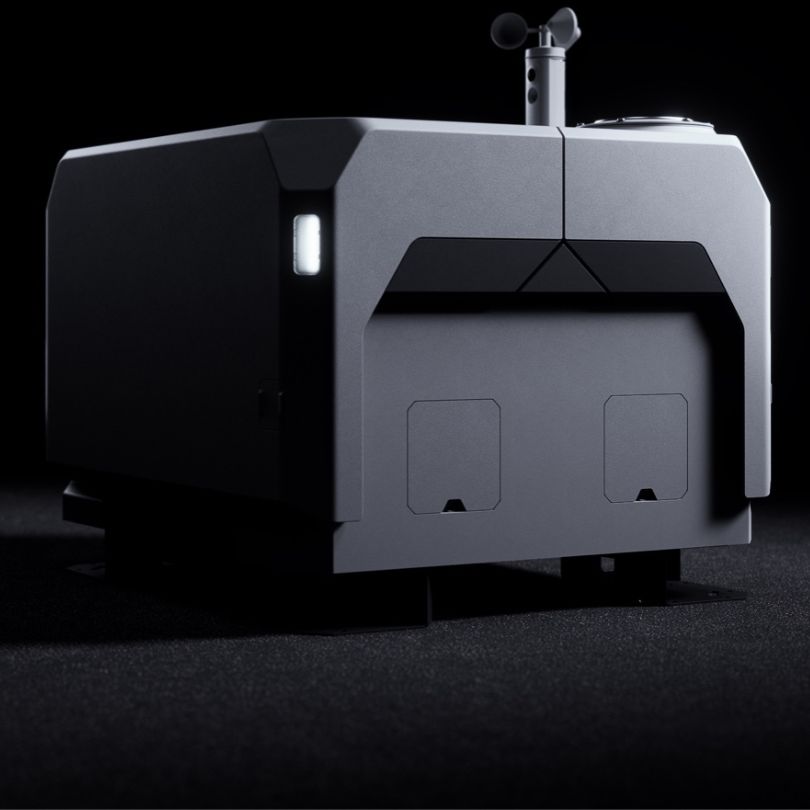
$9000
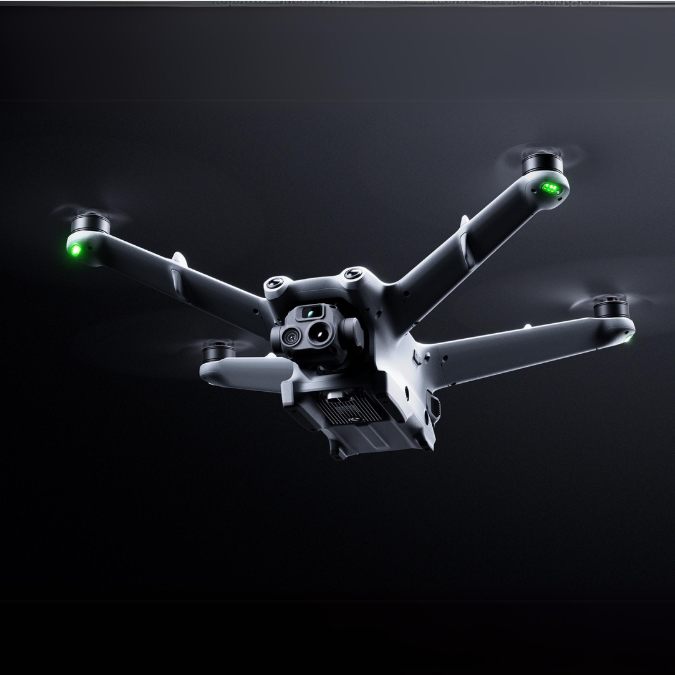
See Below
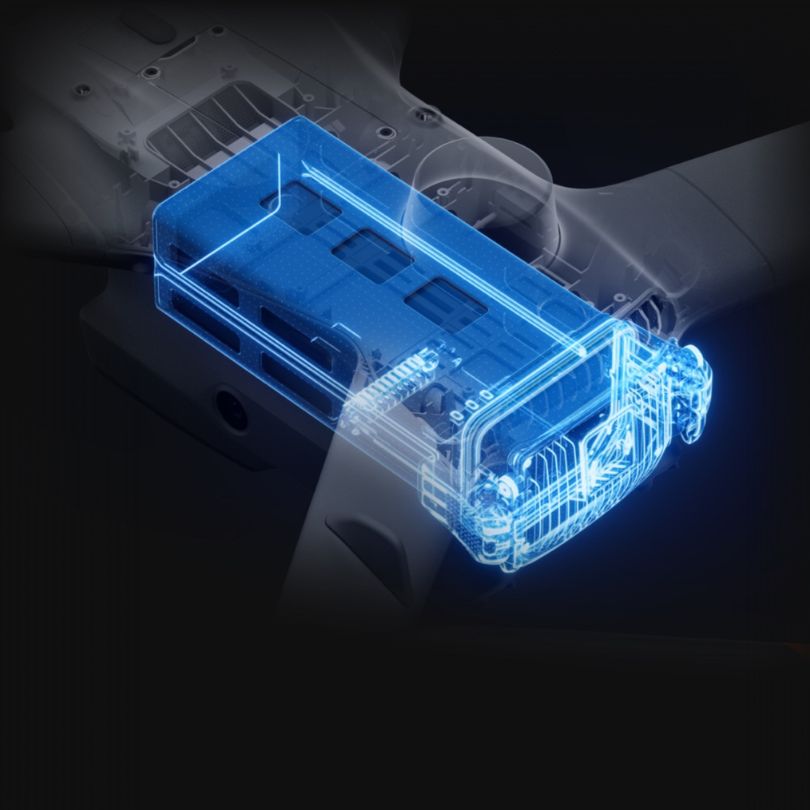
$320
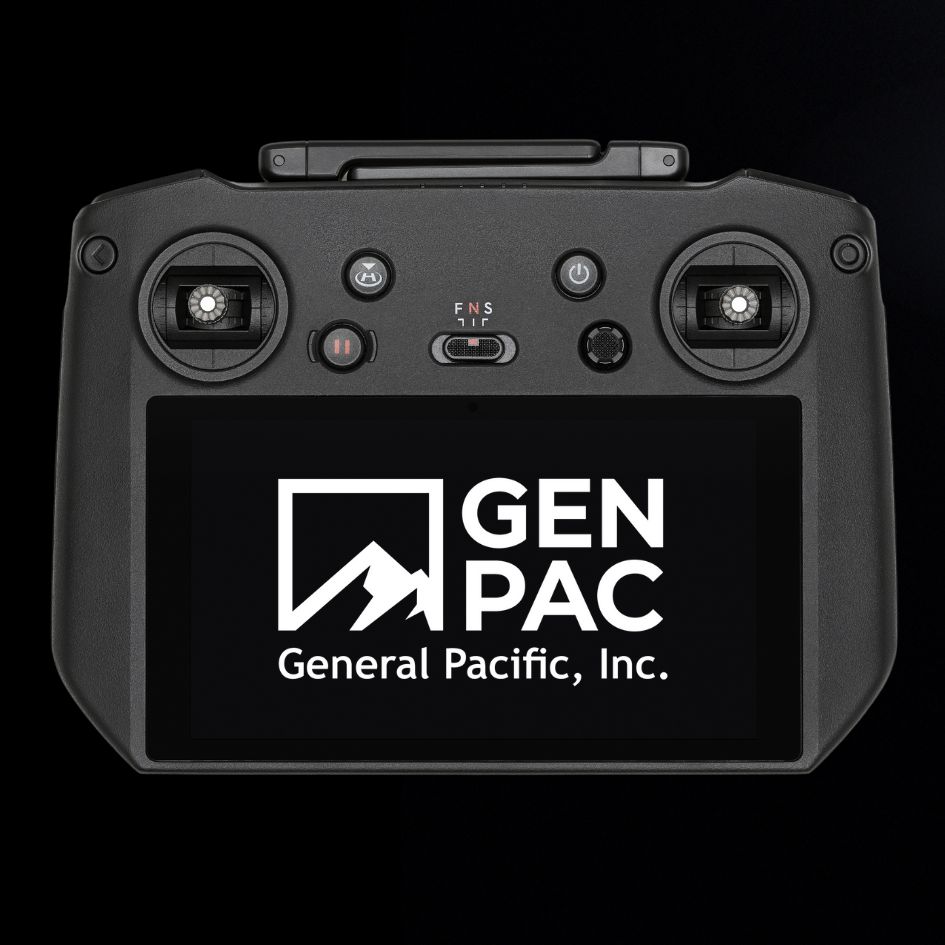
$1199
| DJI Matrice 3D Basic | $4180 |
| DJI Matrice 3D Basic 2 Year | $4370 |
| DJI Matrice 3D Plus | $4560 |
| DJI Matrice 3TD Basic (Thermal) | $6050 |
| DJI Matrice 3TD Basic 2 Year (Thermal) | $6325 |
| DJI Matrice 3TD Plus (Thermal) | $6600 |
Technical Specifications
| Total weight, excluding drone | 75 lbs. |
| Dimensions | Hatch cover open: length 50″, width 23″, height 16.2″ Hatch cover closed: length 22.4″, width 23″, height 18.3″ mm |
| Input voltage | 100V to 240V (AC), 50/60 Hz |
| Input power | Maximum 1000 watts |
| Charging output | 28 volts DC |
| Charging time | 20% to 90% in 32 minutes |
| Working temperature | -25°C to 45°C |
| IP rating | IP55 |
| Drones in use at a single time | 1 |
| Max wind speed for landing | 8m/s |
| Max operating altitude | 8,202 ft. |
| RTK base station frequency | GPS: L1 C/A, L2BeiDou2: B1l, B2l, B3lBeiDou3: B1l, B3lGLONASS: L1, L2Galileo: E1, E5B |
| RTK base station accuracy | Horizontal: 1 cm + 1 ppm (RMS) Vertical: 2 cm + 1 ppm (RMS) |
| Image transmission | O3 Enterprise Edition |
| Image transmission frequency | 2.4000 GHz to 2.4835 GHz 5.725 GHz to 5.850 GHz |
| Antenna | Four antennas, two transmitters, and four receivers, support intelligent switching |
| Air conditioning | TEC air conditioner at 28 volts DC |
| Backup battery | 12Ah, 12-volt lead-acid battery |
| Backup battery life | 5 hours |
| Network connectivity | 1GB ethernet, 4G |
| Sensors | Wind speedRainAmbient temperatureWater immersionCabin temperatureCabin humidity |
| Security camera | 2x 1080p 151° camera with spotlight. One external and one internal |
| Lightning protection | AC power: 20 kA protection (rated value), meeting Type 2 of EN 61643-11 and Class II protection level of IEC 61643-1Ethernet: 10 kA protection (total current value), meeting the Category C protection level of EN/IEC 61643-21 |
| Compatible software | DJI Pilot 2 (with RC Pro Enterprise) DJI FlightHub 2DJI Cloud API |
| Drone Weight | 3.1 lbs. |
| Maximum take-off weight | 3.54 lbs. |
| Drone Dimensions | 13.2″ long,15.6″ wide, 6″ height (excluding propellers) |
| Max ascent speed | 13.4 mph (normal mode) 17.8 mph (sport mode) |
| Max descent speed | 13.4 mph (normal mode) 13.4 mph (sport mode) |
| Max flight speed | Normal mode, obstacle avoidance turned on: forward flight 33.5 mph, backward flight 26.8 mph side flight 22.3 mph. Sports mode: forward flight 47 mph, backward flight 40.2 mph, side flight 35.7 mph. |
| Max wind resistance | Wind resistance during operation: 26.8 mph Wind resistance during takeoff and landing: 17.9 mph. |
| Max take-off altitude | 1.55 mi. |
| Max flight time | 50 minutes |
| Max operational range | 6.21 mi. |